

Treatment Options for Chronic Teeth Grinding

Chronic teeth grinding, also known as bruxism, affects more than just the surface of your teeth. Over time, it can lead to headaches, jaw pain, worn enamel, cracked teeth, and even TMJ disorders. While occasional grinding may not require intervention, chronic bruxism often calls for proactive treatment. Fortunately, several effective options are available—each tailored to reduce the damage, relieve discomfort, and protect long-term oral health.

Custom Night Guards for Protection

One of the most common treatments for bruxism is the use of a custom-made night guard. These devices are worn during sleep to create a protective barrier between the upper and lower teeth. Unlike over-the-counter options, professionally made guards are molded to fit the unique contours of your bite, which helps reduce clenching pressure and increases comfort. For many patients, this alone can significantly cut down on tooth damage and jaw tension.

Addressing Alignment Issues

Sometimes grinding is triggered by an imbalanced bite. If teeth are misaligned, they may make uneven contact during rest or movement, prompting the jaw muscles to work overtime. In such cases, orthodontic treatment may be recommended to reposition the teeth and restore balance. Even minor adjustments—like reshaping a tooth or placing a crown in Stuart, FL—can reduce grinding if the bite is contributing to the problem.

Botox for Muscle Relaxation

In cases where grinding is caused by overactive jaw muscles, therapeutic Botox injections can help. This treatment targets the masseter muscle, reducing its intensity without affecting your ability to chew or speak. It’s not a permanent solution, but it can offer relief for patients who haven’t responded to other methods.

Stress Management and Behavioral Techniques

Since stress and anxiety are major contributors to bruxism, some patients benefit from relaxation strategies, therapy, or mindfulness techniques. In combination with physical treatments, these approaches can reduce the urge to clench—especially during sleep. Your dentist will be able to give you even more tips like this—just ask!

Teeth grinding doesn’t have to take a toll on your smile or quality of life. If you’re waking up with jaw pain or noticing worn teeth, now’s the time to act. Schedule an appointment with your Stuart, FL dentist at Stuart Dentist to explore the best treatment for your needs.

I Grind My Teeth At Night. Is That Bad For Me?

Teeth grinding is a common problem. People who grind their teeth can do damage to their tooth enamel. If you grind your teeth at night, you can protect your teeth from damage. Your dentist in Stuart, FL can help. At Stuart Dentist, we provide help to people who need to protect their teeth from grinding.

What Is Bruxism?

Bruxism is a condition where you unconsciously grind your teeth. Bruxism often affects people at night, although some people can grind their teeth during the day, as well.

How Can You Tell If You Grind Your Teeth At Night?

Most people are unaware that they grind their teeth at night because the grinding happens while they’re asleep. If you grind your teeth at night, your spouse or sleeping partner may notice. Teeth grinding makes a noise that your sleeping partner may hear.

If you do not have a sleeping partner, your dentist may still be able to tell. Grinding does damage to your tooth enamel. If you grind your teeth, your tooth enamel may become cracked, chipped, or broken. Your permanent teeth may also become loose. Your dentist will notice this damage and may suggest that you wear a night guard.

Is Teeth Grinding Bad?

Teeth grinding can do permanent damage to your teeth if you don’t wear a night guard. A night guard can protect your teeth from damage. At Stuart Dentist, we provide bruxism treatment in Stuart, FL. We can help you get a custom-fitted night guard to protect your teeth from the effects of grinding. Come to Stuart Dentist for a custom-fitted night guard.
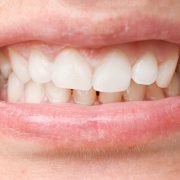

What Is Bruxism? How Can Your Dentist Help?

Bruxism is a condition that can wear down your teeth, causing pain and even injury. Knowing what bruxism is, what the symptoms are, and how your dentist can help is important. Visiting your dentist in Stuart, FL, can help you get the care you need. Here’s what you should know about bruxism and how you can protect yourself.

What Is Bruxism?

Bruxism is a condition that causes the person to grind their teeth, often at night while sleeping. Bruxism can cause your teeth to become weak or worn down and can even cause them to become cracked or broken. If you grind your teeth at night, your teeth can crack or chip, may lose some of their tooth enamel, and your teeth may become more sensitive to hot and cold temperatures. Unfortunately, most people are unaware whether they grind their teeth while sleeping.

How Can You Tell if You Grind Your Teeth At Night?

If you grind your teeth while you’re sleeping, you may notice any combination of the following symptoms:

  • Teeth are broken or cracked
  • Teeth have become loose over time
  • You experience face or jaw pain in the morning when you wake up
  • Your headaches sometimes in the morning after you wake up
  • Your teeth are becoming increasingly sensitive
  • Your cheeks are damaged on the inside from chewing on them while you sleep

How Can Your Dentist Help If You Have Bruxism?

If you have bruxism, you may not know it – but your dentist may be able to tell. Often, the signs of bruxism are visible during dental appointments. If you have bruxism, your dentist can help you obtain a custom mouth guard to protect your teeth at night. Call Stuart Dentist for our general dentistry services in Stuart, FL, to learn more about how we can help you.

Could You Have Bruxism?

Most people grind or clench their teeth occasionally without causing lasting damage. The problem comes when the habit becomes continuous or unconscious. Since grinding and clenching teeth can happen during sleep, you may not even be aware that you are doing it. This is known as bruxism. Stuart Dentist treats mild to severe cases of bruxism in Stuart, FL.

Oral Health Problems Caused by Bruxism

For most people who grind or clench their teeth during sleep, the first sign that something is wrong is that they wake up with sore jaw muscles. Eventually, you could develop a condition called temporomandibular joint disorder (TMJ). The temporomandibular joints connect your skull and jawbone together. Without these joints, you would be unable to open and close your mouth.

Other potential problems caused by bruxism include:

  • Changes in appearance
  • Earaches
  • Headaches
  • Jaw pain
  • Loose or fractured teeth
  • Neck pain
  • Pain while eating
  • Poor sleep
  • Possible tooth extraction
  • Worn teeth

Bruxism is a common problem affecting approximately one in 10 adults and 15 percent of children in the United States. The important thing is to seek help from Stuart Dentist as soon as you recognize the signs of bruxism.

Diagnosing and Treating Bruxism

When you come in for an appointment, your dentist will inspect your teeth, jaws, and temporomandibular joints for signs of bruxism. The good news is that you can make several lifestyle changes at home to reduce your symptoms and discomfort. Typical examples include reducing stress, quitting smoking, and reducing alcohol intake.

You can also sleep with a nightguard each night to prevent you from grinding and clenching your teeth subconsciously. You should see your symptoms gradually disappear if you wear the nightguard faithfully and become more aware of the stressors in your life. Please contact us to begin treatment for bruxism in Stuart, FL, today.

Sources

Bruxism: Teeth Grinding, Night Guard, Jaw Clenching, Treatment (clevelandclinic.org)